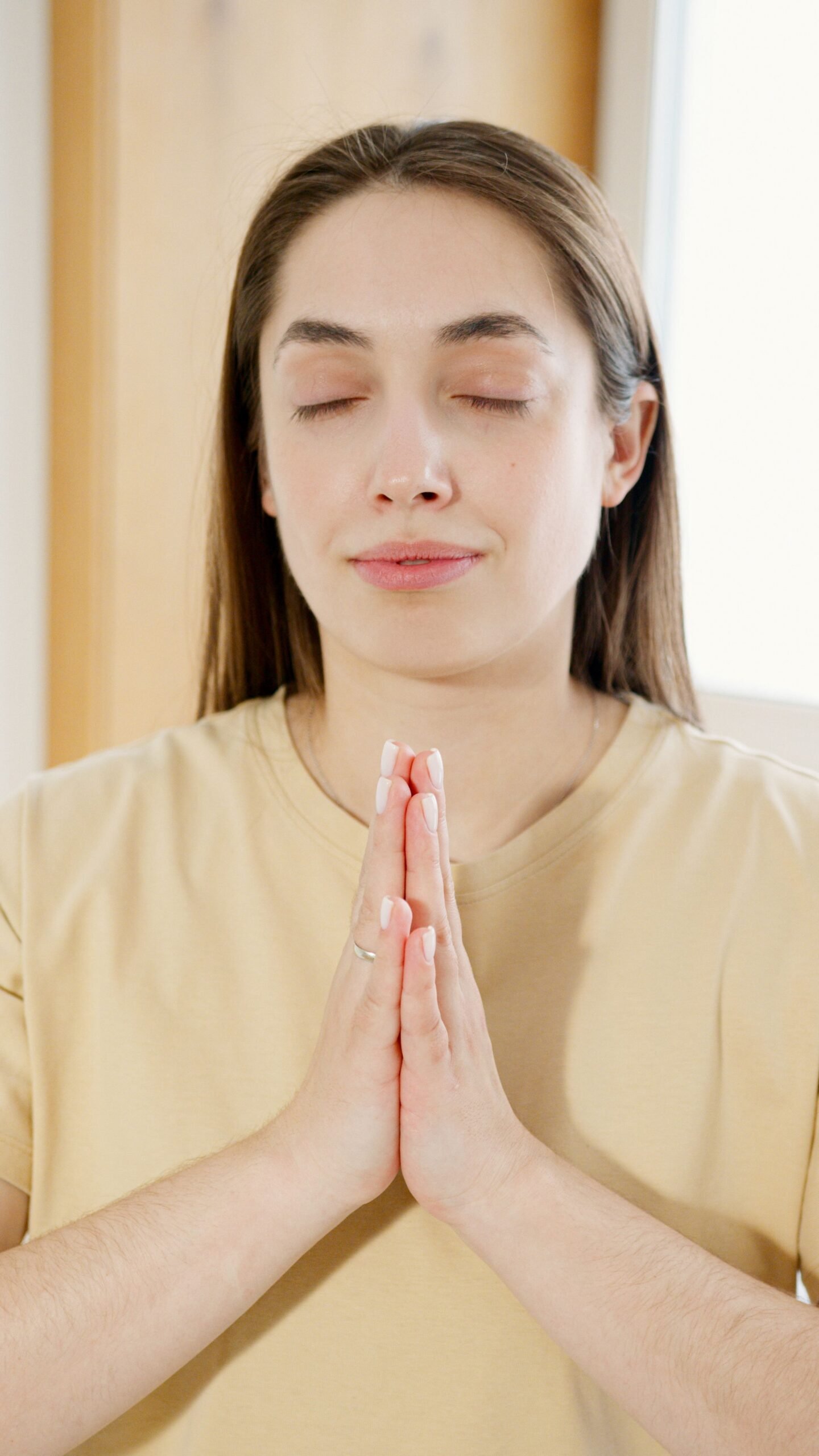

I’ll be honest — the first time someone told me breathing exercises could meaningfully affect stress, I was skeptical. It sounded like the kind of advice that sounds nice but doesn’t actually do anything. Then I tried it during an actually stressful week, mostly out of curiosity, and the effect was more immediate than I expected.
Why Breathing Isn’t Just “Calm Down” Advice
Your breath is one of the few bodily functions that’s both automatic and something you can consciously control — and that dual nature is exactly why it works as a stress tool. Slowing your breathing, particularly extending the exhale, directly activates your parasympathetic nervous system: your body’s built-in “rest and recover” mode. This isn’t a metaphor or a mindset trick — it’s a measurable physiological shift, often noticeable within under a minute.
This is different from just “trying to relax.” You can’t usually talk yourself calm on command, but you can control your breath on command, and your nervous system responds to that control even when your thoughts haven’t caught up yet.
The Technique That Actually Made a Difference for Me
Extended exhale breathing: inhale for a count of 4, exhale for a count of 6-8. The exhale being longer than the inhale is the key detail — this asymmetry is what specifically signals your nervous system to downshift, more than simply “breathing deeply” without that ratio.
I do this for roughly 10-15 breaths, which takes under 90 seconds total. The first few breaths often feel unremarkable; by breath 6 or 7, there’s usually a noticeable shift — shoulders drop, jaw unclenches, mind feels slightly less loud.
A Few Other Techniques Worth Knowing
Box breathing: inhale for 4, hold for 4, exhale for 4, hold for 4, repeat. Popular because the equal counts make it easy to remember, and the holds add a grounding, rhythmic quality some people find easier to focus on than a straight in-out pattern.
Physiological sigh: two inhales through the nose (a normal one followed immediately by a short second inhale on top of it), then one long exhale through the mouth. This specific pattern has gained attention for producing a notably fast calming effect, sometimes within just one or two repetitions — useful for acute, in-the-moment stress rather than a longer daily practice.
4-7-8 breathing: inhale for 4, hold for 7, exhale for 8. A longer hold than box breathing, often used specifically as a wind-down technique before sleep.
When to Actually Use This
The honest answer: whenever you remember to. But a few natural anchor points make it easier to build as an actual habit rather than something you only think of after the stressful moment has passed:
- Before a stressful conversation or task — a proactive use, not just reactive
- During a natural transition point, like before starting work or right after a meeting ends
- In bed before sleep, as part of a wind-down routine
- The moment you notice physical tension — clenched jaw, tight shoulders, shallow breathing — these are often the first physical signs of stress, and noticing them early gives you a chance to intervene before the stress fully builds
What This Doesn’t Replace
Worth being direct about this: breathing techniques are a genuinely useful tool for everyday stress, not a treatment for chronic anxiety or a substitute for professional support if stress or anxiety feels persistent, overwhelming, or is affecting your ability to function. It’s a foundation-level tool — useful, real, but not a cure-all.
How to Actually Start
- Pick one technique — extended exhale is the simplest starting point
- Practice it when you’re calm first, not only in the middle of a stressful moment — this builds familiarity so it’s easier to access under real stress
- Anchor it to something you already do daily — before a meal, before checking your phone in the morning, before bed
- Don’t judge the first few tries — like most habits, the effect tends to become more noticeable with repetition, not necessarily on the very first attempt
The Bottom Line
Breathing techniques sound almost too simple to matter, which is probably why they’re so often skipped. But the physiological effect is real, fast, and requires nothing except a minute of attention — genuinely one of the lowest-effort, most immediately noticeable tools available for everyday stress.
[…] also genuinely useful paired with other habits covered here: a quick journal entry after a breathing exercise or as part of an evening […]
[…] six. The extended exhale nudges the nervous system toward its rest state. I wrote a whole piece on breathing techniques, but this single pattern is 90% of the […]