
A few years ago, “gut health” was a niche topic mostly found in health food store pamphlets. Now it’s everywhere — and for once, the hype is mostly earned. Your digestive system isn’t just where food goes to get processed. It’s home to trillions of bacteria that quietly influence your digestion, your immune system, your energy levels, and even your mood.
You don’t need a cabinet full of supplements to support it. Most of what actually matters comes down to a handful of everyday habits — the kind that are easy to explain but somehow still easy to skip.
What “Gut Health” Actually Means
Your digestive tract is home to what’s often called the gut microbiome — a massive, diverse community of bacteria and other microorganisms. A healthy, balanced microbiome helps break down food, absorb nutrients, and keep your digestive system running smoothly. An imbalanced one has been linked to everything from bloating and irregularity to a weaker immune response.
The good news: this isn’t something you have to get “perfect.” It’s something you nudge in a better direction, one meal and one habit at a time.
Fiber Is Doing More Work Than You Realize
If there’s one nutrient most people don’t get enough of, it’s fiber. It’s not just about “keeping things moving” — fiber is essentially food for the good bacteria living in your gut. When those bacteria break fiber down, they produce compounds that support the gut lining and help regulate inflammation.
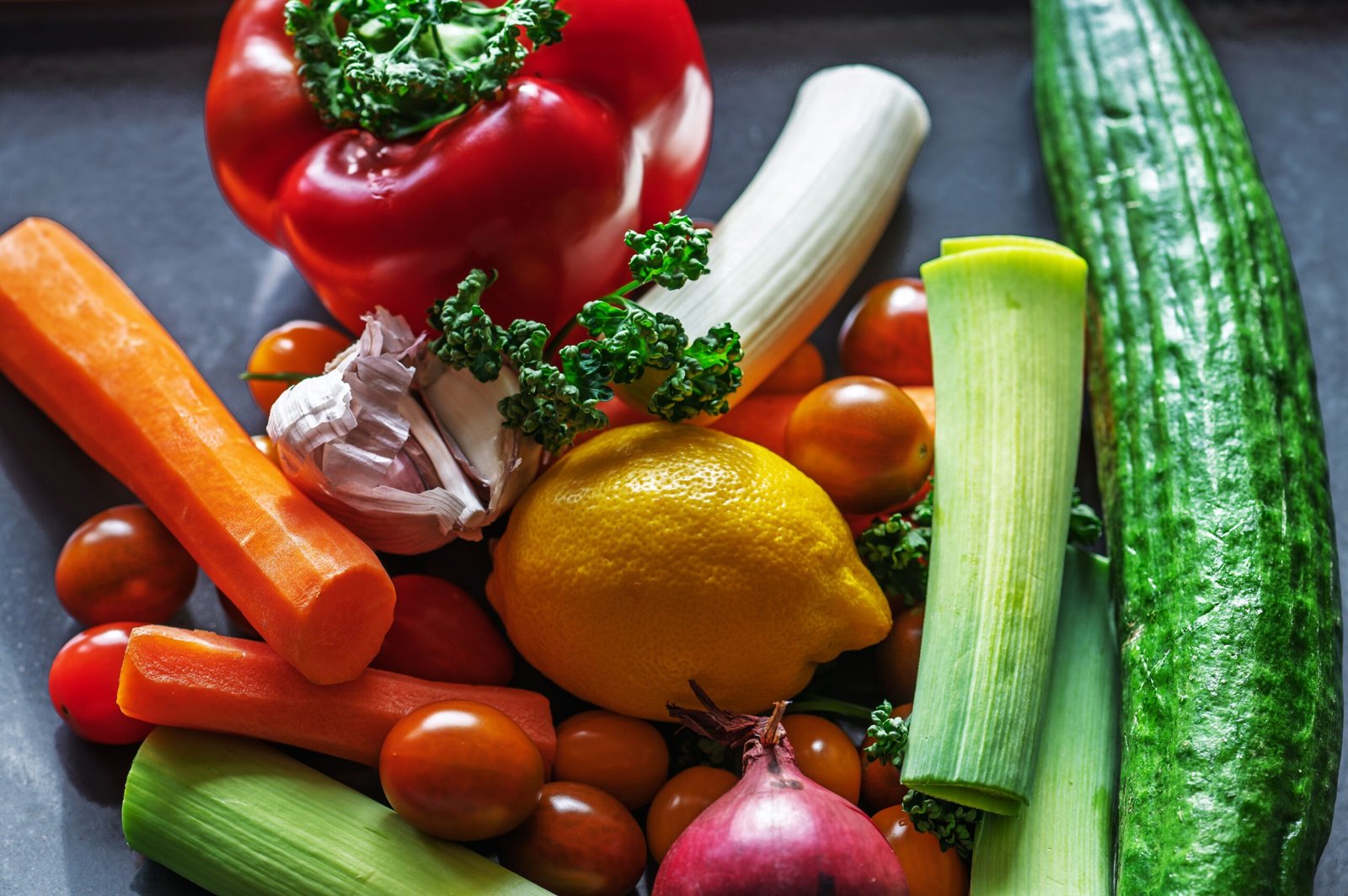
Vegetables, fruits, legumes, and whole grains are the easiest sources. You don’t need to overhaul your diet overnight — swapping white bread for whole grain, or adding a side of vegetables to a meal that didn’t have one, adds up faster than people expect.
Fermented Foods Deserve a Spot on Your Plate
Foods like yogurt, kefir, sauerkraut, kimchi, and miso contain live beneficial bacteria that can help support a healthy gut environment. You don’t need to eat them constantly — even a small serving a few times a week can meaningfully add to the diversity of your gut microbiome, which research increasingly points to as a marker of overall gut health.
If you’re not used to fermented foods, start small. A spoonful of yogurt or a few forkfuls of sauerkraut with a meal is enough to begin.
Hydration Plays a Bigger Role Than People Assume
Water helps fiber do its job. Without enough fluid, a high-fiber diet can actually make digestion feel worse instead of better — think of fiber as a sponge that needs water to move smoothly through your system. Staying consistently hydrated throughout the day supports regular digestion far more than people give it credit for.
Stress and Your Gut Are More Connected Than They Seem
Your gut and your brain communicate constantly through what’s often called the gut-brain axis. This is why stress can show up as a stomachache, and why chronic stress has been linked to digestive discomfort over time. It’s not “all in your head” — it’s a real, physiological connection.
This doesn’t mean you need to eliminate stress entirely (good luck with that). But basic stress-management habits — sleep, movement, slowing down at mealtimes — genuinely support digestive health, not just mental well-being.
Sleep Is a Gut Health Habit Too
It’s easy to think of sleep and digestion as unrelated, but your gut bacteria actually follow a rhythm tied to your sleep-wake cycle. Poor or inconsistent sleep has been associated with shifts in gut bacteria balance. Prioritizing consistent, quality sleep isn’t just good for your energy — it’s quietly good for your gut too.
Movement Helps More Than You’d Guess
Regular physical activity — even something as simple as a daily walk — has been linked to a healthier, more diverse gut microbiome and more regular digestion. You don’t need intense exercise for this benefit; consistency matters more than intensity, which is good news if a daily walk is already part of your routine.
Simple Habits to Start With
- Add one extra vegetable or fruit serving a day rather than trying to overhaul every meal at once
- Try a fermented food a couple times a week — yogurt with breakfast is an easy starting point
- Keep a water bottle within reach and sip throughout the day, not just when you’re thirsty
- Eat without rushing when you can — slower, calmer meals genuinely support digestion
- Protect your sleep as seriously as you protect your diet
The Bottom Line
Gut health isn’t about chasing a trend or buying the right supplement. It’s built from ordinary daily habits — fiber, fermented foods, hydration, sleep, movement, and a bit of stress management — that quietly support one of the most important systems in your body. Small, consistent changes here tend to add up in ways you’ll actually feel, not just read about.