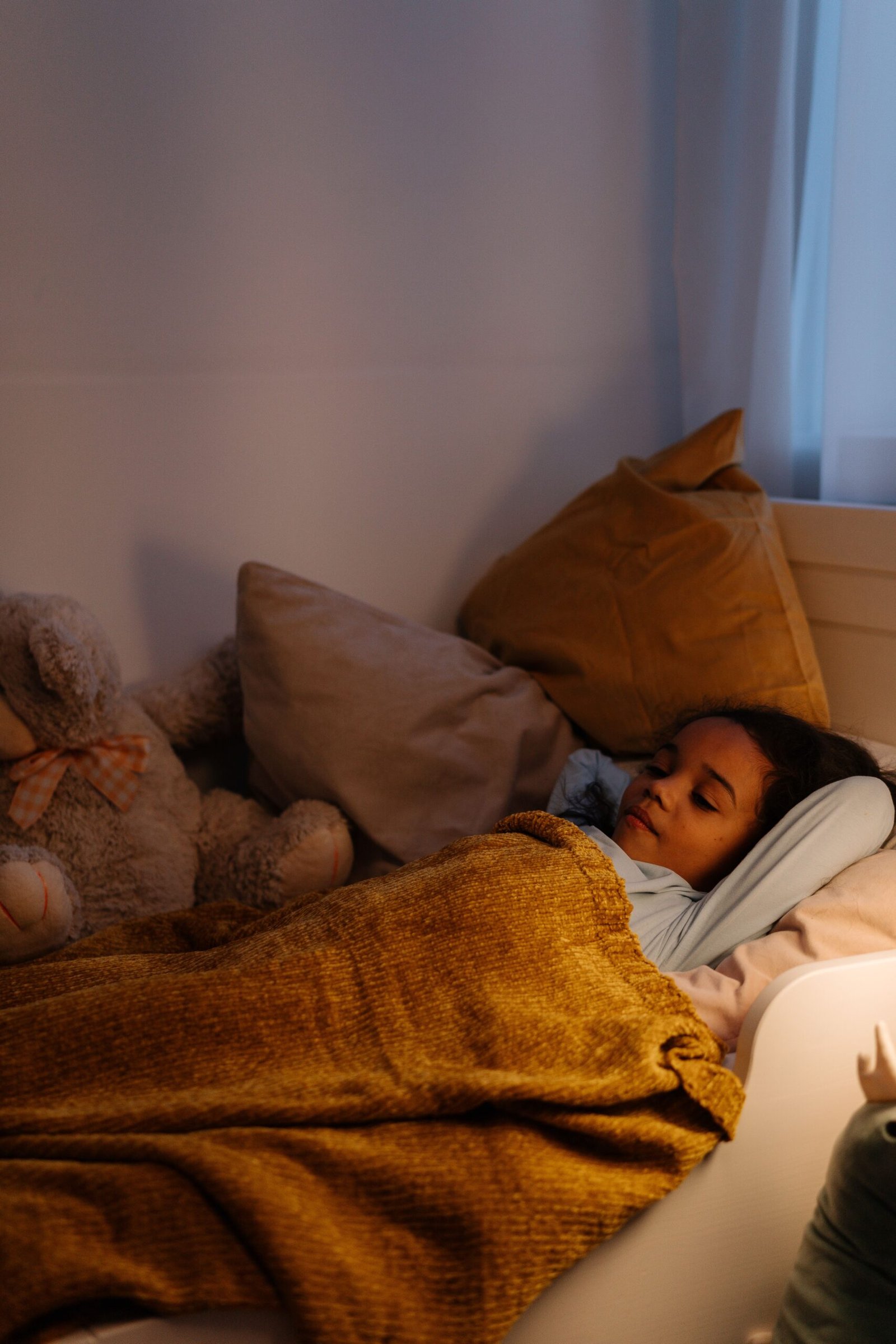

I spent a long time trying to fix my sleep by changing what I did right before bed — breathing exercises, no screens, herbal tea — before realizing I’d never actually looked at the room itself. Once I did, a few small, boring changes made more difference than any routine I’d tried.
Why the Environment Matters as Much as the Routine
A wind-down routine (covered in more depth in our piece on habits that quietly disrupt sleep) tells your brain sleep is coming. But your bedroom environment is what your body actually responds to once you’re trying to fall and stay asleep — and it’s the part most people never actually audit, because it’s easy to get used to a room that’s subtly working against you.
Temperature: The Most Underrated Variable
Your body’s core temperature naturally drops as part of falling asleep — it’s part of the same biological process linked to your circadian rhythm. A room that’s too warm works directly against this natural drop, making it harder to fall asleep and more likely you’ll wake up during the night.
Most sleep guidance points to a room temperature somewhere in the range of 60-67°F (15-19°C) as generally optimal for most people, cooler than many bedrooms are typically kept. This was the single biggest change for me — lowering the room temperature a few degrees made a more noticeable difference than most of the behavioral changes I’d tried first.
Light: More Than Just “Turn Off the Lights”
Even small amounts of light during the night can interfere with sleep quality, including light most people don’t consciously register — a phone charging light, a streetlight through thin curtains, a hallway light under the door. Your skin and eyes both have some light sensitivity even while you’re asleep.
Blackout curtains or an eye mask address this more completely than just turning off the main light. Covering or turning away small electronic lights (chargers, router lights, standby indicators) is a small, often-overlooked fix. Reducing overall light exposure in the hour before bed, not just at the moment of sleep, matters too — this ties into the broader effect of light on your circadian rhythm covered in our morning sunlight article, where the same light-sensitivity mechanism works in reverse at night.
Noise: Consistent Is Often Better Than Silent
Completely silent rooms aren’t necessarily better for sleep — a sudden, unexpected sound in an otherwise silent room can be more disruptive than a consistent, low background noise. This is part of why white noise machines or fans genuinely help many people: they mask sudden noise spikes (a car outside, a creaking floor) with a steady, predictable sound your brain more easily tunes out.
What I Actually Changed, in Order of Impact
1. Lowered the thermostat a few degrees before bed — the single biggest change, and the easiest to implement with zero ongoing effort once set.
2. Moved my phone charger outside the bedroom entirely — removes both the light source and, as covered in our screen time piece, the reflexive urge to check it in bed.
3. Added a cheap fan for consistent background noise — more for the noise-masking effect than the cooling, though it helps with both.
4. Blackout curtains — a bigger upfront effort than the other changes, but the most noticeable single-night difference of anything I tried.
Building This as an Actual Routine
The environmental changes above are largely one-time setup, not nightly effort — which is part of why they’re worth prioritizing over routines that require willpower every single night. Once the room itself supports sleep, a simpler behavioral wind-down (dim lights, no screens, maybe some light stretching or breathing work) tends to be enough on top of it, rather than needing an elaborate nightly ritual to compensate for a room working against you.
The Bottom Line
Sleep advice tends to focus heavily on what you do right before bed, but the room you’re sleeping in plays an equally large role — often more fixable, and fixable once rather than requiring nightly discipline. Temperature, light, and noise are the three variables worth auditing first, in roughly that order of impact for most people.
What Actually Helps
Of the three changes covered here, blackout curtains had the single biggest night-to-night impact — worth prioritizing first if you’re only making one change. Here’s a well-reviewed option