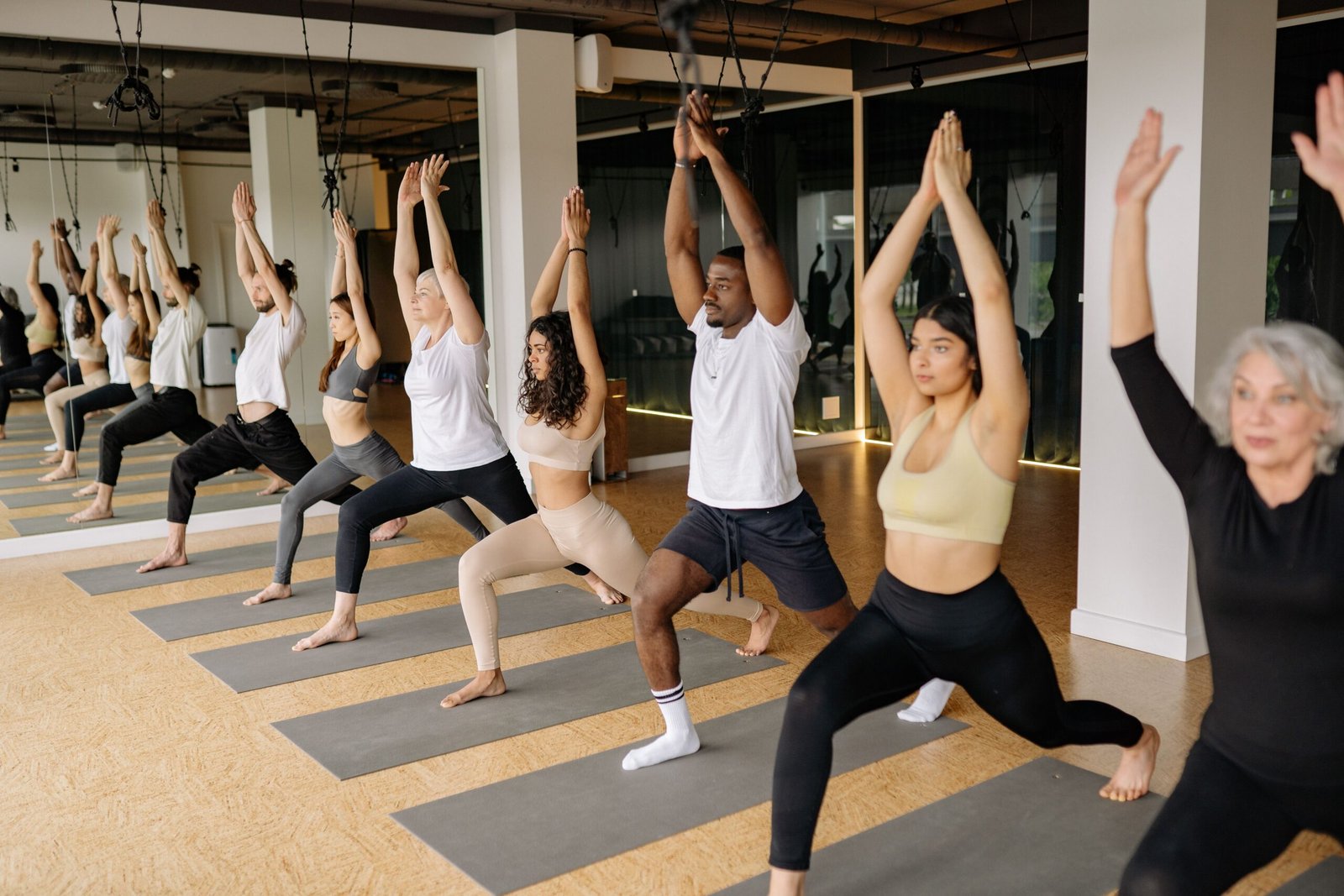

Stretching is one of those habits everyone agrees is “good for you” and almost nobody actually does consistently. It doesn’t burn calories, it doesn’t build visible muscle, and it’s easy to skip when you’re short on time. But mobility — your body’s ability to move freely through its full range of motion — quietly determines how well everything else works, from your daily walk to how you feel getting out of bed.
Why Mobility Matters More As You Age
Muscles and joints that aren’t regularly moved through their full range gradually become tighter and less flexible — a slow process most people don’t notice until it starts limiting them: harder to bend down, more stiffness in the morning, less comfortable range when reaching or twisting. This isn’t inevitable aging so much as it’s the compounding effect of a body that stops being asked to move fully.
The encouraging part: this is one of the more reversible aspects of physical decline. Consistent stretching and mobility work can meaningfully restore and maintain range of motion, even for people who haven’t stretched regularly in years.
Stretching vs. Mobility Work — What’s the Difference?
Stretching typically means holding a position to lengthen a specific muscle — like reaching for your toes and holding it.
Mobility work is broader — it includes movement through a joint’s full range, often dynamically (like arm circles or hip rotations), rather than a static hold.
Both matter, and you don’t need to overthink the distinction as a beginner. The goal is simply: move your major joints and muscle groups through their full range of motion regularly, whichever way you do it.
The Real Benefits
Reduced stiffness and discomfort. Regular stretching is one of the most consistent ways to reduce everyday muscle tightness and joint stiffness, particularly for people with sedentary jobs.
Better posture. Many common postural issues — hunched shoulders, tight hips from sitting — are improved by targeted stretching that counteracts the positions we hold for hours at a desk.
Lower injury risk during other activity. Muscles and joints with better range of motion tend to handle sudden movements — a quick reach, an awkward step — with less strain.
Improved circulation. Movement, including stretching, supports blood flow to muscles and tissues, which plays a role in recovery and overall tissue health.
Stress relief. Slow, deliberate stretching — especially combined with steady breathing — activates a calming response in the body, similar to some elements of light meditation.
A Simple 5-Minute Routine to Start With
You don’t need a yoga studio or specialized equipment. A basic full-body sequence, done daily or every other day:
- Neck rolls — slow, gentle circles, 30 seconds each direction
- Shoulder rolls — 10 forward, 10 backward
- Standing forward fold — reach toward your toes, knees slightly bent, hold 20-30 seconds
- Hip circles — hands on hips, slow rotation, 10 each direction
- Standing quad stretch — pull one heel toward your glutes, hold 20-30 seconds each side
- Seated or standing hamstring stretch — extend one leg, reach toward your toes, hold 20-30 seconds each side
- Cat-cow stretch (if you’re on the floor) — alternate arching and rounding your back, 5-8 slow reps
This entire sequence takes under 5 minutes and covers most of the areas that get tight from typical daily sitting and movement patterns.
When to Stretch
- Morning: helps counteract overnight stiffness and can feel like a gentle wake-up for your body
- After sitting for long periods: even a 2-minute break to move through a few of these positions helps counteract the effects of prolonged sitting
- Before or after walking/exercise: gentle dynamic movement beforehand, and static stretching afterward, both have their place
There’s no single “correct” time — consistency matters more than precise timing.
A Word of Caution
Stretching should feel like gentle tension, not pain. If a stretch is sharply painful, ease off — that’s a sign you’re pushing beyond what your body is ready for that day, not a sign you need to push harder.
The Bottom Line
Mobility work is one of the most overlooked habits in everyday wellness, largely because its benefits are quiet and cumulative rather than immediate. Five minutes a day is a genuinely achievable starting point — and one that tends to pay off in ways you’ll notice most when you’re not thinking about it: an easier reach, a more comfortable morning, fewer aches after a long day.
What Actually Helps
A basic yoga mat makes floor stretches like the cat-cow and hamstring stretch far more comfortable than a bare floor — worth having if this becomes a daily habit. Here’s a solid, affordable option



[…] A few minutes of targeted stretching. Chest openers and upper back stretches specifically counteract the forward-rounded position most desk work encourages — more detail on this in our stretching and mobility guide. […]