
It’s the most obvious health advice there is — drink water — and maybe that’s exactly why it gets ignored. No one feels like they’re “biohacking” by drinking a glass of water. But the research keeps circling back to the same conclusion: proper hydration affects nearly everything else you’re trying to improve, from energy to focus to sleep.
Why Water Isn’t “Boring” — It’s Foundational
Your body is roughly 60% water, and nearly every system depends on it: regulating temperature, cushioning joints, delivering nutrients to cells, flushing out waste, and keeping your digestive system moving. When you’re even mildly dehydrated, your body doesn’t collapse — it just quietly runs less efficiently. That’s the tricky part. Mild dehydration rarely announces itself clearly.
The Sneaky Symptoms of Mild Dehydration
Most people picture dehydration as extreme thirst or dizziness. In reality, mild dehydration often shows up as:
- Fatigue or low energy, especially mid-afternoon
- Difficulty concentrating or mental fogginess
- Headaches
- Mood that feels slightly “off” without a clear reason
- Dry skin or lips
If any of that sounds like a normal Tuesday for you, hydration is worth checking before assuming it’s something else.
How Much Water Do You Actually Need?
The old “8 glasses a day” rule is a reasonable starting point, but it’s a simplification. Actual needs vary based on body size, activity level, climate, and diet (since food, especially fruits and vegetables, contributes meaningfully to your fluid intake too).
A more useful marker than a strict number: check your urine color. Pale yellow generally indicates good hydration; dark yellow is a signal to drink more. It’s not perfectly precise, but it’s a far more personalized gauge than a one-size-fits-all glass count.
Hydration Affects More Than You’d Expect
Energy levels. Even mild dehydration has been linked to feelings of fatigue and reduced alertness — often mistaken for simply needing more sleep or caffeine.
Focus and cognitive performance. Studies on mild dehydration show measurable effects on concentration and short-term memory, even at levels too mild to cause obvious thirst.
Digestion. Water helps fiber move through your digestive system smoothly — this is part of why hydration and gut health are closely linked (as covered in our gut health guide).
Sleep. Both dehydration and overhydration right before bed can disrupt sleep — dehydration through discomfort, overhydration through nighttime bathroom trips. Timing matters as much as total intake.
Skin and appearance. While water alone won’t erase wrinkles, consistent hydration does support skin’s natural barrier function over time.
Simple Ways to Actually Drink More Water
Knowing you should drink more water and actually doing it consistently are two different problems. A few habits that make it automatic rather than effortful:
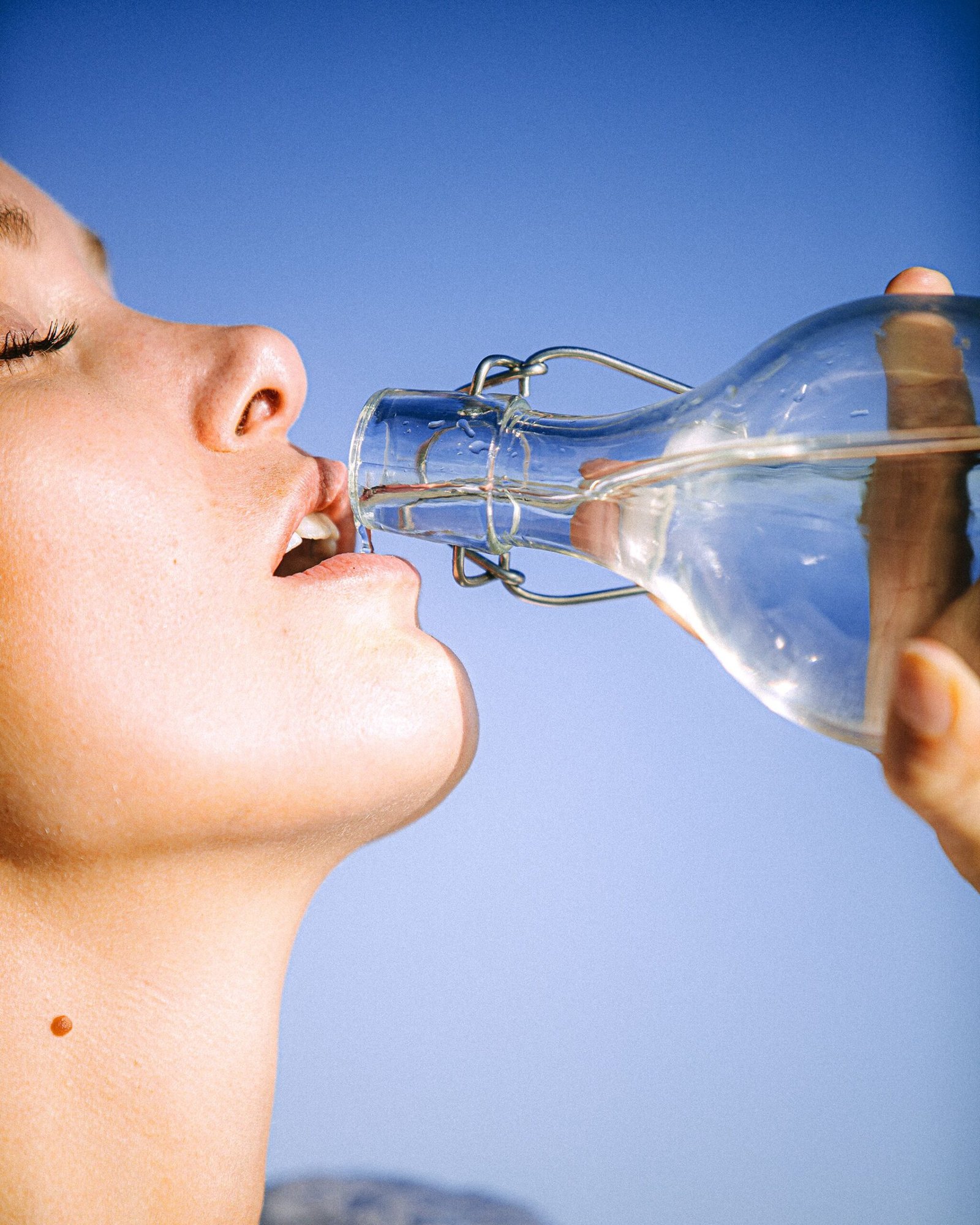
- Keep a water bottle visible, not tucked in a bag — visibility alone significantly increases how often people drink
- Anchor it to existing habits — a glass with each meal, one right after waking up, one before each coffee
- Flavor it naturally if plain water feels unappealing — citrus slices, cucumber, or mint make a real difference for some people
- Eat water-rich foods — cucumbers, watermelon, oranges, and soups all count toward your daily intake
- Set a simple checkpoint, like finishing a full bottle by lunch, rather than obsessively tracking every ounce
Can You Drink Too Much Water?
Yes, though it’s uncommon for most people going about a normal day. Overhydration (hyponatremia) is rare outside of extreme circumstances like endurance sports without electrolyte replacement. For most people, the practical risk is under-drinking, not over-drinking — so this isn’t something to stress about unless you’re doing intense, prolonged physical activity.
The Bottom Line
Hydration doesn’t get much attention because it feels too basic to matter. But it quietly underlies energy, focus, digestion, sleep, and mood — making it one of the highest-leverage, lowest-effort habits available. A full water bottle within reach might be a smaller fix than it seems.
What Actually Helps
Keeping a water bottle within reach genuinely increases how much you drink — visibility alone makes a measurable difference. Here’s one that’s easy to carry around