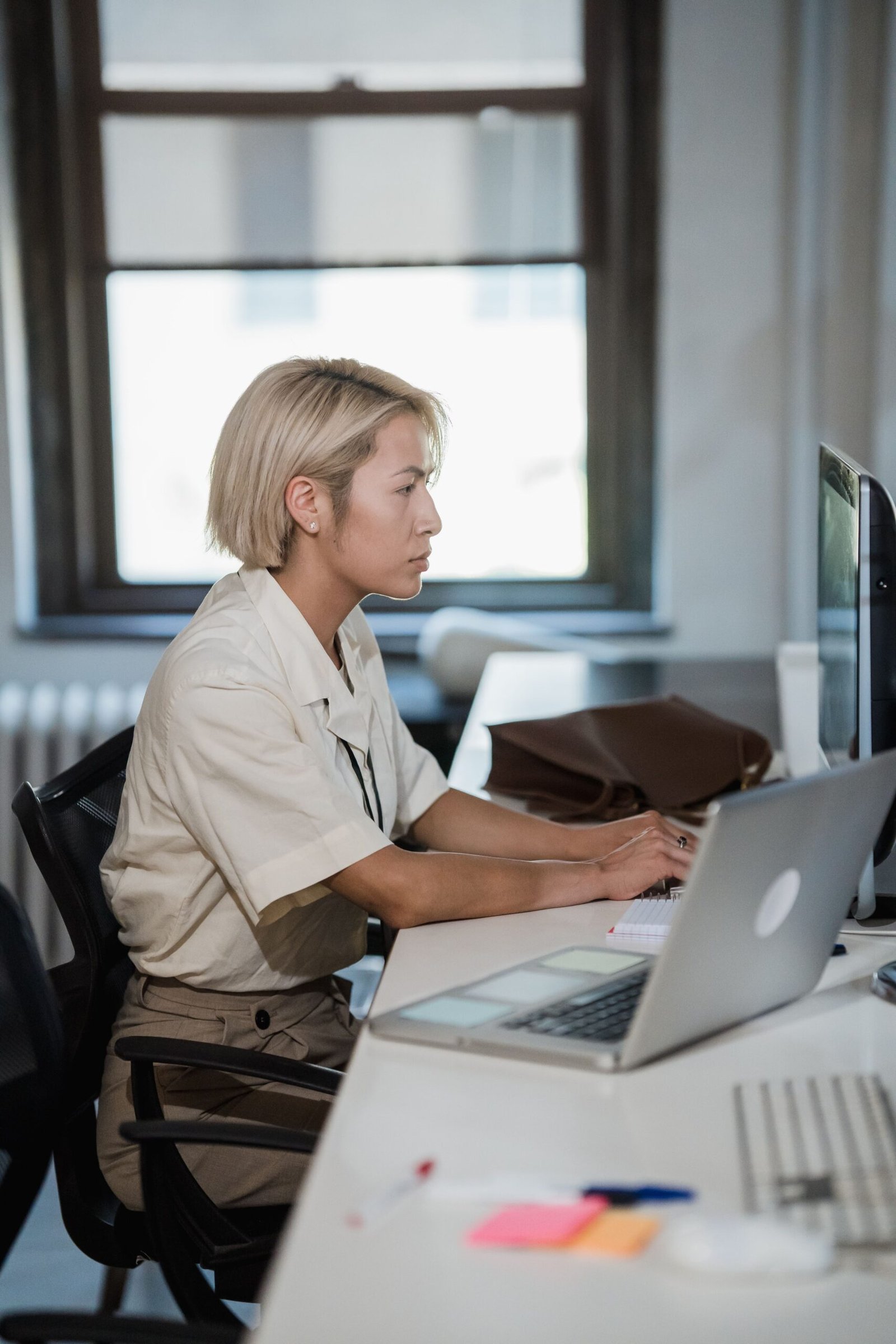

I spent months blaming my afternoon exhaustion on sleep, on caffeine, on stress — before realizing a big chunk of it was something simpler: I’d been slumped forward for six hours straight, and my body was spending real energy just fighting to hold that position.
Why Posture Affects Energy, Not Just Back Pain
Most posture advice focuses on avoiding pain, which makes it easy to ignore if you’re not currently hurting. But poor posture has a second, quieter cost: it makes your muscles work harder just to keep you upright, even when you’re sitting still. A slumped position forces smaller stabilizing muscles to compensate for the support your spine’s natural alignment would otherwise provide — and that constant low-level effort is genuinely tiring over the course of a full day.
There’s also a breathing connection. A collapsed, forward-hunched posture compresses your chest and diaphragm, which can shallow your breathing without you noticing. Shallower breathing means slightly less oxygen intake per breath — a small effect per breath, but a real cumulative one across an 8-hour workday.
The Posture Most People Actually Have
“Bad posture” doesn’t usually look dramatic. It’s not slouched in an obvious way — it’s a forward head position (chin jutting slightly toward the screen), rounded shoulders, and a slightly collapsed lower back, all of which creep in gradually while you’re focused on a task and not thinking about your body at all.
This matters because it means posture correction isn’t really about a single dramatic fix — it’s about noticing a gradual drift and correcting it repeatedly throughout the day, since it drifts right back within minutes even after you consciously sit up straight.
What Actually Helped Me
Setting a recurring, silent reminder. Not a loud alarm — just a vibration every 45 minutes that meant “check your posture.” Most of the time I’d already drifted forward without noticing, and the reminder was less about a strict rule and more about interrupting a pattern I couldn’t otherwise catch myself in.
Raising my screen to eye level. This single change did more than any conscious effort to “sit up straight.” When the screen sits below eye level, your neck and shoulders naturally follow it downward. Raising it removed the reason to slump forward in the first place.
Standing and moving every hour, even briefly. Two minutes of standing and walking resets your posture far more effectively than trying to consciously hold a better position while still seated — this pairs naturally with the daily walking habit if you can fit a short walk into a work break.
A few minutes of targeted stretching. Chest openers and upper back stretches specifically counteract the forward-rounded position most desk work encourages — more detail on this in our stretching and mobility guide.
A Quick Self-Check
Right now, without adjusting anything: where are your shoulders relative to your ears, and where is your chin relative to your chest? If your shoulders are creeping up toward your ears or your chin is jutting forward, that’s the pattern worth interrupting — not through willpower in the moment, but through the environmental changes above.
What This Isn’t
This isn’t about achieving perfect, rigid posture all day — that’s neither realistic nor actually better; some position variation throughout the day is normal and healthy. It’s about reducing the amount of time spent in the specific slumped, forward-head position that both drains energy and strains the neck and shoulders over time.
The Bottom Line
Posture isn’t just a back-pain issue — it’s quietly tied to how much energy your body spends just staying upright, and how efficiently you’re breathing while you work. Small environmental changes — screen height, movement reminders, brief stretching — tend to do more than consciously “trying to sit up straight,” which rarely survives more than a few focused minutes anyway.
What Actually Helps
Raising your screen to eye level does more for posture than consciously trying to sit up straight — a simple laptop stand makes this an easy, permanent fix rather than something you have to remember. Here’s a solid, affordable option


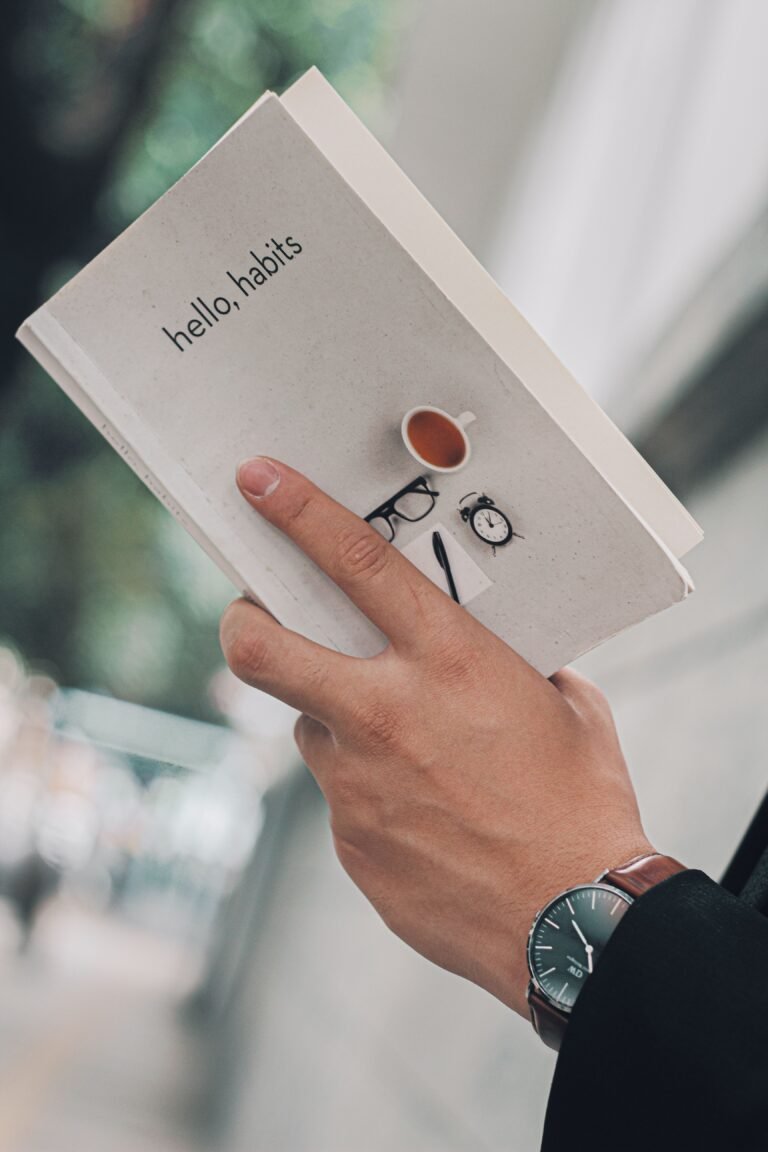
[…] “After I sit down at my desk, I will [do a quick posture check].” A natural pairing with the environmental changes covered in the posture and energy piece. […]